Michael Patrick King on AI and the Future of Creativity: Lessons from 'The Comeback'
A Career Built on Satirizing the Industry
Michael Patrick King has spent decades dissecting Hollywood’s transactional nature. From Sex and the City—which explored identity, romance, and status through the lens of consumerism—to 2 Broke Girls, where economic precarity shapes every relationship, King has a knack for exposing the underlying contracts of human connection. But his most searing work may be The Comeback, the HBO cult classic he co-created with Lisa Kudrow. This series, which follows washed-up sitcom actress Valerie Cherish in her relentless pursuit of relevance, has become a time capsule of Hollywood’s indignities across three seasons, each arriving roughly a decade apart.
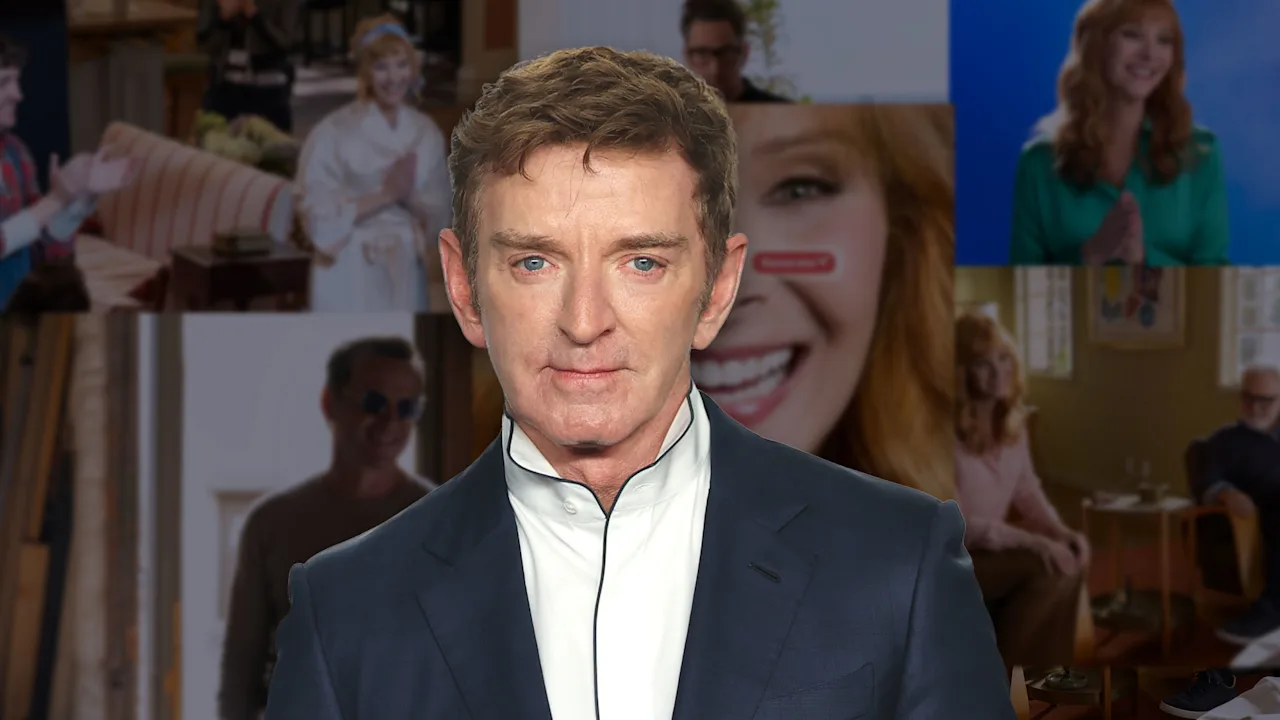
The Comeback’s Three-Act Satire
The original 2005 season skewered reality television’s rise. The 2014 revival targeted prestige cable auteurs and the absurdity of television’s so-called golden age. Now, with the newly completed third season, Valerie signs on to star in a sitcom secretly written by AI—transforming the industry’s automation anxiety into perhaps the show’s bleakest punch line yet.
While other series have tackled AI anxiety—HBO’s Hacks aired an anti-LLM episode just weeks ago—The Comeback takes a darker, more unsettling approach. King and Kudrow are less interested in warning about rogue technology than in examining the human appetite that makes technological displacement possible.
AI as Creativity’s Extinction Event
In a spoiler-filled conversation, King warned that artificial intelligence could be an extinction event for writing. “It’s not about the machines taking over; it’s about us wanting them to,” he noted, reflecting on how the show’s premise forces viewers to confront their own complicity in valuing efficiency over artistry. The third season’s AI-written sitcom, he explained, is a mirror held up to an industry that increasingly treats creativity as a commodity to be optimized.
From Scranton to the Stage
King’s own background—growing up in Scranton, Pennsylvania—has shaped his perspective. He reminisced about the city’s unlikely track record of producing great playwrights, including Stephen Karam (The Humans) and Jason Miller (The Exorcist and That Championship Season). “People ask me where my plaque is in Scranton,” King joked. “I say, ‘Well, I guess I never defeated the devil, so I don’t get one.’” This grounded, self-deprecating humor is the same sensibility that fuels The Comeback’s sharpest moments.
What the Future Holds
As the entertainment industry grapples with generative AI, King’s warning resonates: the real threat isn’t the technology itself, but our willingness to trade genuine creativity for a facsimile. The Comeback serves as both a cautionary tale and a testament to the irreplaceable value of human storytelling—however flawed and messy it may be.
Related Articles
- Cohere Launches Command A+: A Sparse MoE Powerhouse for Agentic AI, Now Open Under Apache 2.0
- How to Follow the Key Arguments in the Musk vs OpenAI Court Case
- Mastering Remote AI Coding Agents with Conductor Cloud: A Step-by-Step Guide
- The Self-Undermining Cycle: AI Automation Erodes the Human Expertise It Requires
- Major League Hacking CEO: Developer Communities More Vital Than Ever Amid AI Surge
- Socket Secures $60 Million Series C to Fortify Open-Source Supply Chain Security
- The AI Agent Security Crisis: How to Govern Identities Before Agents Rewrite Your Policies
- From Basement Servers to Global Infrastructure: How RunPod Built a GPU Cloud with Community Funding