Unlocking Web Interoperability: The Block Protocol Explained
Have you ever noticed how many modern web editors, from blogging platforms to note-taking apps, rely on a block-based interface? You click a plus button or type a slash, and choose a block—a paragraph, image, video, or even a complex Kanban board. But here's the catch: each app builds its own blocks from scratch, making them incompatible across platforms. That's where the Block Protocol comes in. It's an open, non-proprietary standard that aims to make blocks interchangeable and reusable anywhere on the web. Below, we answer common questions about this exciting initiative.
What exactly is the Block Protocol, and why was it created?
The Block Protocol is an open standard that allows any block—a piece of content like a paragraph, image, calendar, or interactive form—to work seamlessly across different web applications. It was created because current editors (like WordPress, Notion, or Medium) each implement their own block systems. This means a block built for one platform can't be used in another without rewriting it. The protocol defines a common way for apps to embed blocks, so developers only need to write embedding code once. This fosters a library of reusable, high-quality blocks that benefit everyone—users get more features, and developers save time. The protocol is free, non-proprietary, and open-source, encouraging widespread adoption.
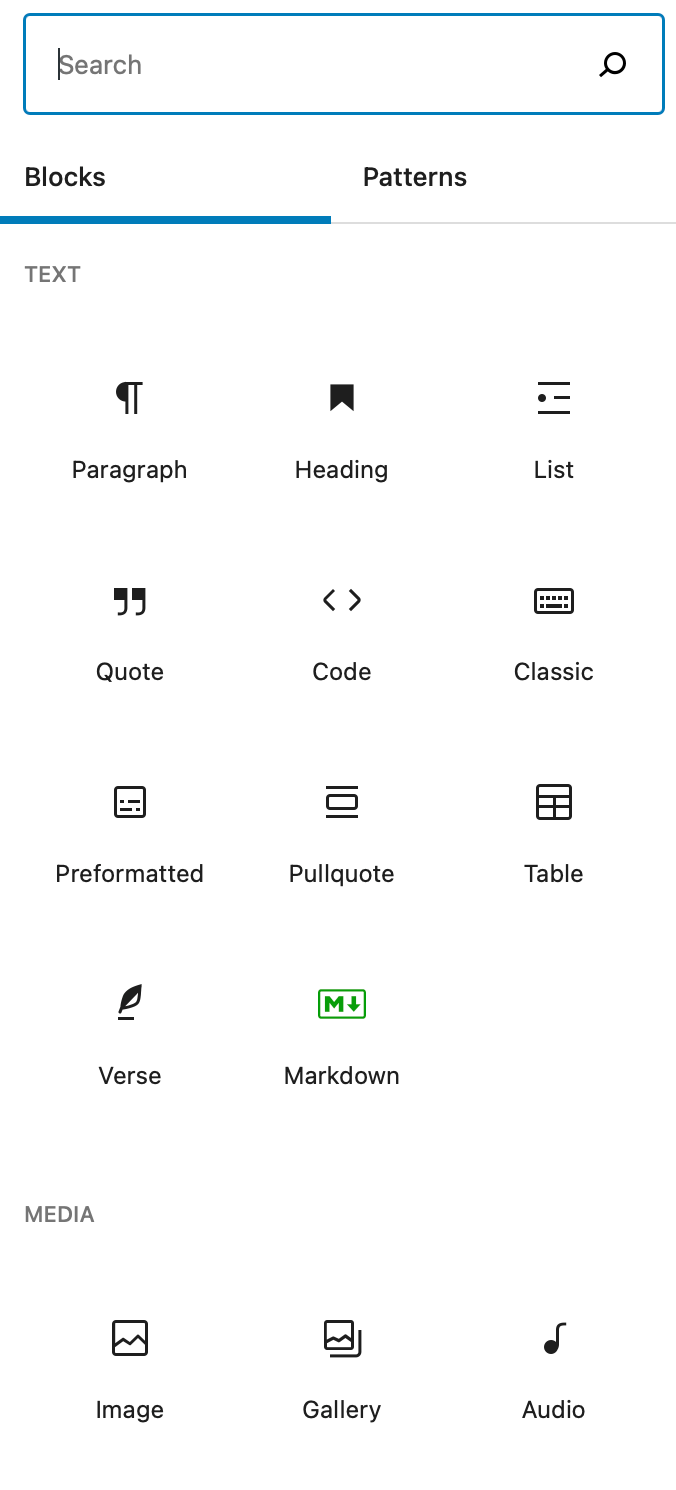
How do current web editors handle blocks, and what's the problem?
Most modern editors use a block-based interface: you insert a block (like a paragraph, list, or image) by clicking a button or typing a slash key. While this concept is standard, the implementation is not. Each app, from blogs to note-taking tools, builds its own proprietary block system. So if you want a calendar block in your editor, you have to code it yourself. That's a huge problem: end-users are limited to blocks their specific editor supports. You might see a fancy Kanban board in another tool but can't use it in yours. This non-standardization leads to duplicated effort, incomplete features, and user frustration. Essentially, every app reinvents the wheel, forcing users to work within narrow boundaries.
What are the main benefits of adopting the Block Protocol?
Adopting the Block Protocol brings several key benefits. First, interoperability: a block built once can be used in any compatible editor—be it a blogging platform, note-taking app, or CMS. Second, reduced development effort: app developers only need to implement the embedding protocol once to support a vast library of blocks. Third, empowered users: they can choose from a growing collection of high-quality blocks, from simple text to interactive forms or Kanban boards, regardless of which app they use. Fourth, fosters innovation: the open-source community can create and share blocks freely, leading to richer, more specialized content types. Ultimately, the protocol makes the web more modular and flexible, just like the block concept itself.
What types of content can be turned into blocks?
Almost anything can be a block. The protocol is designed to handle any content that makes sense in a document or on the web. This includes basic text elements: paragraphs, headings, lists, tables, and quotes. It also covers media: images, videos, audio players, and interactive diagrams. Beyond that, blocks can be specialized widgets: a calendar, a Kanban board, an order form, or a video conferencing embed. Even structured data blocks are possible—for example, a contact form that saves typed data or a chart that updates from an API. The flexibility is vast; essentially, if you can imagine it as a reusable piece of a webpage, it can be a block. The protocol's open nature encourages developers to create blocks for any purpose, making the ecosystem ever-expanding.

How does the Block Protocol work technically?
Technically, the Block Protocol is a set of rules for how an embedding application (like a blog editor) communicates with a block (a self-contained component). It defines a shared interface: blocks expose properties and methods that the host app can call (e.g., to render, update data, or handle events). The protocol is format-agnostic—blocks can be built with any JavaScript framework (React, Vue, etc.) as long as they follow the specified API. The embedding app loads the block's code (often via a script or iframe) and then passes it structured data. The block renders itself based on that data and can send back changes. This separation allows any block to work in any host that implements the protocol, regardless of underlying technology. The protocol is still evolving, but the core idea is simple: standardize the contract between hosts and blocks.
What is the current status of the Block Protocol, and how can developers get involved?
The Block Protocol is in its early stages. The team has released a preliminary draft of the specification and built some simple prototype blocks and a basic editor to demonstrate its use. They are actively seeking feedback and contributions from the open-source community. The goal is to create a large library of high-quality, reusable blocks that anyone can use. Developers can get involved by visiting the official protocol website, reading the draft specification, and trying out the sample code. They can also contribute by building new blocks, improving the protocol itself, or integrating it into their own editors. All work is open-source, free, and non-proprietary. The immediate next steps include refining the protocol based on feedback, growing the community, and encouraging adoption in popular tools.
Related Articles
- 10 Essential Insights into the Controversy Surrounding Mathematics' Final Axiom
- YouTube Unveils Automated Deepfake Detection Tool to Protect Creator Identity
- Your Guide to Aerion: Setting Up a Secure, Lightweight Desktop Email Client
- How to Assess AI-Powered Code Analyzers for Vulnerability Hunting (Inspired by the Curl Case)
- Building Trustworthy AI Agents: A How-To Guide for Enterprise Deployments with SAP and NVIDIA
- Google Antigravity 2.0: Your Questions Answered About the Agent-First Development Platform
- How DNA from Living Descendants Helped Identify Doomed Franklin Expedition Sailors
- The Hidden Danger After Wildfires: How Burned Land Unleashes Catastrophic Flooding