Tesla Semi Reaches Production Milestone: First Truck Rolls Off Assembly Line
After years of delays and anticipation, Tesla has finally achieved a major breakthrough with its all-electric Class 8 truck. The company recently announced that the first Tesla Semi has been assembled on the newly established high-volume production line at its Gigafactory Nevada. This marks a significant step forward in Tesla's commercial vehicle ambitions, signaling that series production is now officially underway. Below, we answer key questions about this development.
What exactly is the milestone Tesla has achieved with the Semi?
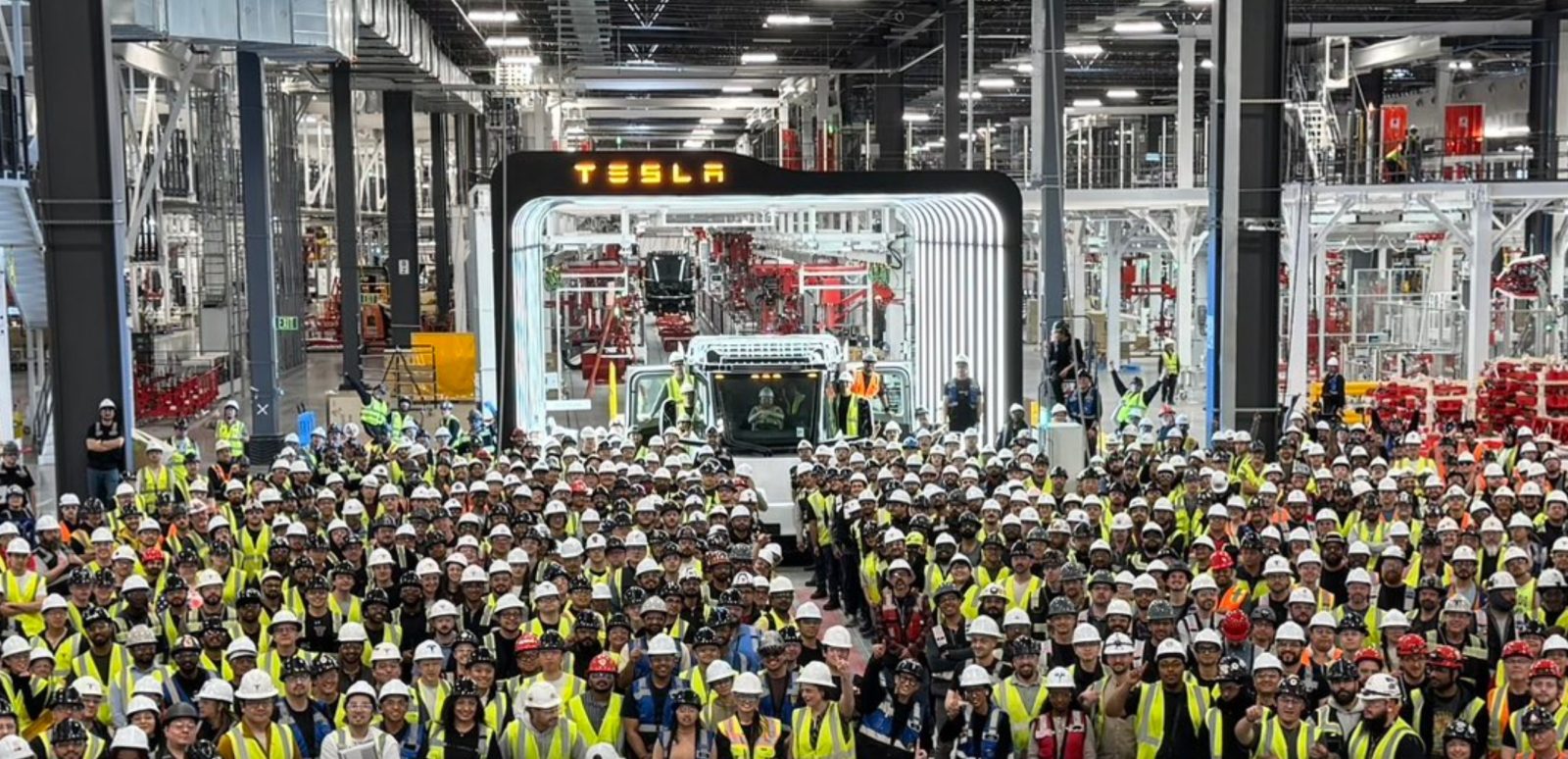
Tesla has built the first Semi truck using its brand-new, dedicated high-volume production line located at Gigafactory Nevada. This is crucial because it moves the program from prototype and low-volume builds to full-scale manufacturing. The automaker confirmed this via an image shared on the official Tesla Semi account on X (formerly Twitter), explicitly stating that volume production has begun. While Tesla produced early test Semis for select customers, this is the first unit rolling off an assembly line designed for mass output, putting the company on track to deliver many more trucks to customers.
Where is the Tesla Semi being manufactured?
The production takes place at Tesla's Gigafactory Nevada, a massive facility located near Reno. Specifically, Tesla has allocated a 1.7‑million‑square‑foot building within the complex for Semi assembly. This dedicated space was constructed specifically to scale up Semi production and includes advanced robotics, assembly areas, and testing zones. While Tesla also produces battery packs and components at the same gigafactory, the Semi line is a distinct operation that finally came online after years of preparation and construction delays.
Why is this milestone important for Tesla and the electric truck industry?
This achievement is significant for several reasons. First, the Tesla Semi program has been delayed multiple times since its 2017 unveiling, so finally reaching high‑volume production proves the company can deliver on its promises. Second, it moves electric trucks closer to commercial viability, offering fleets a zero‑emission alternative for long‑haul freight. Third, it validates Tesla’s approach of building in‑house manufacturing capability for heavy vehicles, which could pressure legacy truck makers to accelerate their own electric offerings. The start of volume production also signals that Tesla will likely begin fulfilling the thousands of reservations it has received from companies like PepsiCo and UPS.
What evidence did Tesla share about the first production truck?
Tesla posted an image of the first Semi on the official Tesla Semi account on X. The photo shows the truck at Gigafactory Nevada, painted in Tesla's familiar dark gray color with the distinctive aerodynamic cab design. The accompanying post confirmed that the truck was produced on the new high‑volume line. Additionally, Tesla released a short video clip showing the truck moving along the assembly line, providing visual proof that the manufacturing process is active. This social media update came without a formal press release, but the company’s direct statement is considered official confirmation.

What does “high‑volume production” mean for the Tesla Semi specifically?
“High‑volume production” indicates that the assembly line is capable of manufacturing the Semi at a significantly faster rate than previous limited builds. While Tesla hasn't specified exact numbers, the 1.7‑million‑square‑foot facility is designed to eventually produce tens of thousands of trucks per year. The first units will likely be delivered to early reservation holders and used for internal fleet testing. Achieving this level of production is critical because it allows Tesla to reduce manufacturing costs, improve quality control, and meet regulatory requirements for heavy‑duty zero‑emission vehicles in markets like California and Europe.
What challenges did Tesla overcome to reach this point?
Tesla faced multiple hurdles during the Semi’s development. Initially announced in 2017 with a 2019 delivery target, the program encountered supply chain issues, battery cell shortages, and technical difficulties related to the truck’s massive battery pack and thermal management system. The COVID‑19 pandemic also caused delays. Additionally, building the dedicated production line at Gigafactory Nevada required extensive construction and retooling. Tesla had to invest heavily in new equipment and hire specialized workers. The fact that the company finally launched high‑volume production demonstrates its ability to solve complex engineering and logistical problems, though some analysts remain cautious about future ramp‑up rates.
Related Articles
- Choosing the Right Exposure Management Platform: Key Features and Common Pitfalls
- Rivian Scales Back Georgia EV Factory to 300K Units After DOE Loan Cut to $4.5B
- 10 Key Insights from Rebuilding Flutter's Websites with Dart and Jaspr
- Flutter Freezes Core UI Libraries in Major Decoupling Push
- Australia's Green Iron Promise Slips as Global Rivals Accelerate: Urgent Action Needed
- Breaking: V8 Drops Sea of Nodes – Switches to Turboshaft for JavaScript Performance
- How Massachusetts Secured $1.4 Billion in Offshore Wind Savings: A Step-by-Step Guide
- Building Resilient Regional Renewable Hubs: A Guide to Solar-Battery Projects with Anti-Hail Technology