Orion's Flywheel: A Deep Space Fitness Solution with Ryan Schulte
NASA’s Artemis II mission sent four astronauts on a 694,481-mile journey around the Moon, and keeping them healthy in the tight quarters of the Orion spacecraft required innovative engineering. One key device was the flywheel exercise machine—a compact, no-electricity workout tool. Ryan Schulte, the Orion flywheel project manager at NASA’s Johnson Space Center, led the team that designed, built, tested, and flew this equipment on the historic flight. Here’s a closer look at how the flywheel works, the challenges behind its development, and what’s next for crew fitness in deep space.
Who Is Ryan Schulte, and What Role Does He Play in the Artemis Program?
Ryan Schulte is the Orion flywheel project manager at NASA’s Johnson Space Center in Houston. He oversees the team responsible for the design, construction, testing, and flight of the flywheel exercise device used during Artemis II. The flywheel provided astronauts with daily workouts to maintain physical and mental health during their mission around the Moon. Schulte currently leads efforts to develop a fleet of more reusable exercise devices for future Artemis missions, ensuring crew safety and mission success. He notes, “What we’re doing with this exercise device has a direct impact on the crew’s safety, health, and their mission success. I feel lucky to work on hardware that the crew is physically using, interacting with, and benefiting from on a daily basis.”
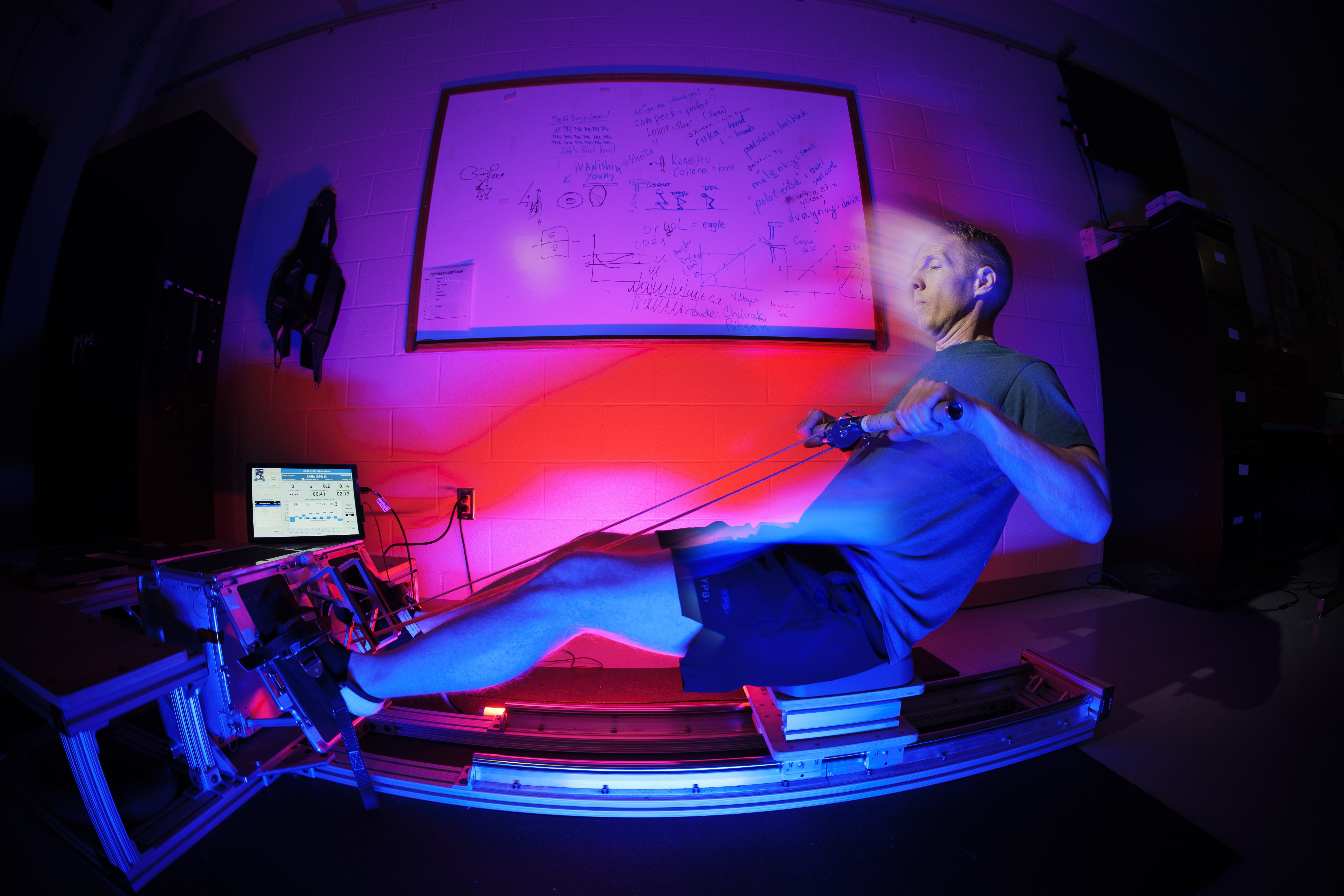
How Does the Orion Flywheel Work, and What Exercises Can It Perform?
The flywheel is a compact device about the size of a large shoebox that provides a range of aerobic and resistive workouts without requiring any electrical power from the spacecraft. Schulte explains, “It works kind of like an inertial yo-yo.” Users can select different gear ratios for various resistance modes, with the flywheel capable of providing up to 500 pounds of resistance. “It’s really all dependent upon how much effort you put in,” he adds. The crew can perform squats, deadlifts, bent rows, high-pulls, curls, heel raises, and aerobic rowing—all with a single device. This versatility ensures astronauts can maintain muscle strength and cardiovascular health during long-duration missions in microgravity.
What Unique Challenges Did Schulte’s Team Face When Developing the Flywheel?
Developing the flywheel for Orion posed several unique challenges due to the constraints of spaceflight. Limited space inside the capsule meant the team had to pack all functionality into a compact box. Crew mobility in microgravity also required special design considerations to ensure the device could be used safely and effectively. Another major challenge was reducing noise generation so that crew members could communicate easily during workouts. The team had to balance mechanical performance with acoustic dampening, all while keeping the device lightweight and reliable. These hurdles demanded innovative engineering and rigorous testing to meet NASA’s stringent safety standards for human spaceflight.
Why Is Exercise Critical for Astronauts on Missions Like Artemis II?
Exercise is essential for astronauts to counteract the negative effects of microgravity on the human body. Without gravity, muscles atrophy and bone density decreases over time. Regular physical activity helps maintain muscle strength, cardiovascular fitness, and bone health, reducing the risk of injury or illness during missions. Additionally, exercise can improve mental health by reducing stress and boosting mood. On the Artemis II mission, the flywheel allowed astronauts to perform both aerobic and resistance training in a compact, power-free setup. This daily routine was key to ensuring they remained healthy and capable of performing complex tasks throughout their 694,481-mile journey around the Moon and back.
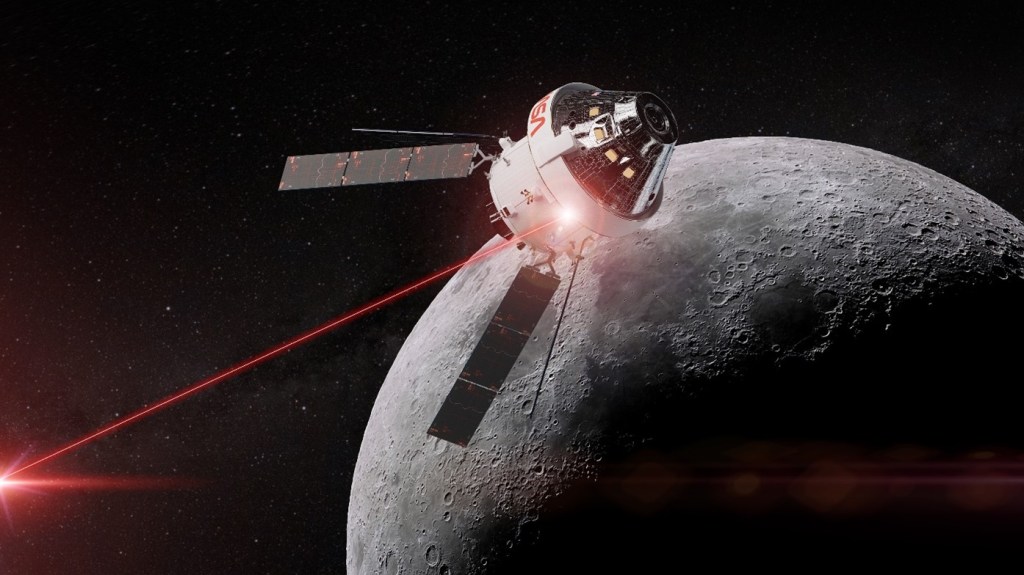
What Are the Future Plans for the Flywheel in the Artemis Program?
Beyond Artemis II, Schulte’s team is developing a fleet of more reusable exercise devices for future missions. These next-generation flywheels will be designed for repeated use across multiple flights, reducing cost and increasing reliability. The goal is to provide astronauts with a proven, versatile workout tool that can be easily integrated into spacecraft on longer journeys—such as trips to Mars. Continuous improvement based on feedback from crews like those on Artemis II will refine the device’s ergonomics and performance. Schulte emphasizes the flywheel’s direct impact on crew safety and mission success, making it a critical component of NASA’s long-term exploration strategy.
How Does the Flywheel Benefit the Crew Beyond Physical Fitness?
While the flywheel’s primary function is physical exercise, its benefits extend to mental and social well-being. Having a dedicated workout routine helps astronauts maintain a sense of normalcy and structure in the unfamiliar environment of space. The device also encourages teamwork, as crew members can exercise together or take turns, fostering camaraderie. Schulte notes that the flywheel is “hardware that the crew is physically using, interacting with, and benefiting from on a daily basis,” which creates a tangible connection between engineering and human experience. Additionally, the lack of electrical power required means the flywheel operates silently (when designed well) and can be used at any time without draining spacecraft resources, giving astronauts more flexibility in their daily schedules.
Related Articles
- Samsung Galaxy S Redesign on the Horizon? Concerns Over RAM Shortage Echo Galaxy S26 Woes
- Brew Better Coffee: A Step-by-Step Guide to Using Electrical Current for Flavor Analysis
- Automated Attribution of Failures in Multi-Agent LLM Systems: A New Benchmark and Approach
- Mars Helicopter Legacy: NASA's Next Generation Rotorcraft for Heavy Payloads
- 8 Revelations About the Little Red Dots: JWST's Black Hole Star Enigma
- Why NASA's Science Missions Are Declining Despite Cheaper Access to Space
- New CSS rotateX() Function Revolutionizes 3D Web Design
- Breaking: Physicist Joseph Dwyer's Lightning Findings Challenge Decades-Old Theories